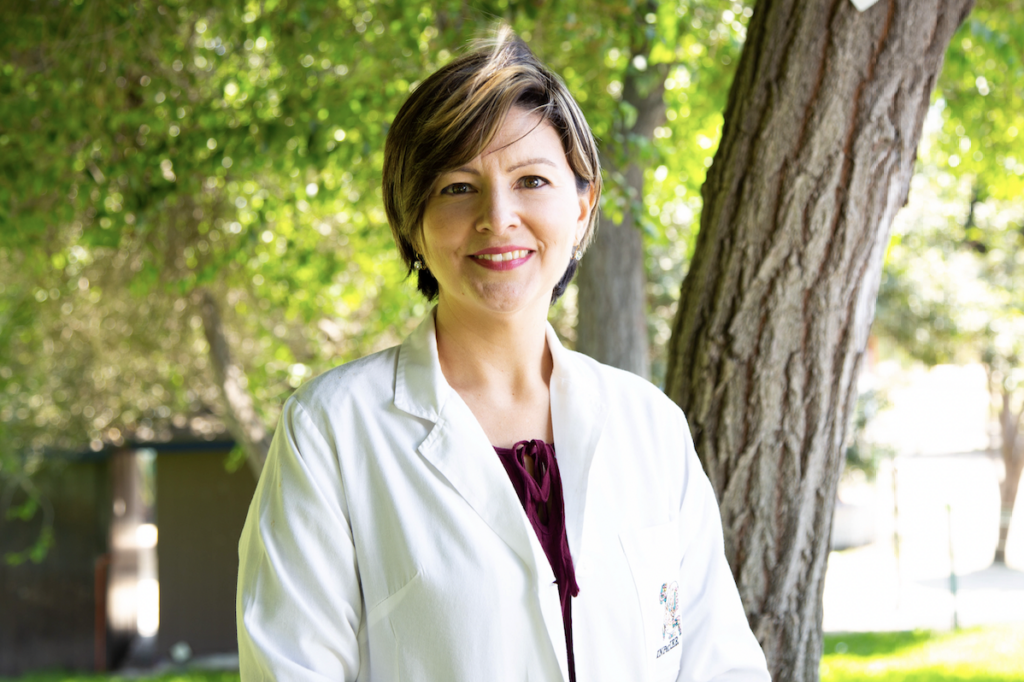
Stones in the body, also known as calculi, are hard mineral-based masses that can form in organs such as the kidneys, gallbladder, or bladder. These stones can vary in size and may cause pain, blockages, or infection if they block the flow of bodily fluids like urine or bile (a digestive fluid). Extracorporeal Shock Wave Lithotripsy (ESWL) is a non-invasive procedure preferred by patients seeking a less invasive alternative to surgery for treating stones, offering quicker recovery and fewer complications. In this blog post, we will explore how ESWL works and its benefits, with insights from Dr. Venkata Akshintala, a medical pancreatologist and endoscopist.
What is Extracorporeal Shock Wave Lithotripsy
Extracorporeal Shock Wave Lithotripsy (ESWL) uses shockwaves created by a machine called a lithotripter to break up stones in the bile ducts (tubes), pancreatic duct, or urinary tract. Once the stones are broken up into smaller pieces, they can pass naturally through the body in urine (pee), reducing pain and discomfort without the need for surgery. However, in some cases, the patient will need additional physical treatment, like surgery, to fully remove the stones.
What Does ESWL Treat?
Many types of stones can form in the body, each requiring specific management and treatment.
Common stone formations include:
- Gallstones. Bile (digestive fluid) stored in the gallbladder can harden into gallstones, varying in size and number. They may or may not cause symptoms.
- Pancreatic Duct Stones. These small stones are made up of hardened pancreatic fluid. They build up in the pancreatic duct, causing blockages and an increased risk of pancreatitis.
- Bile Duct Stones. Bile duct stones are a type of gallstone found in a different part of the body. When a gallstone slips out of the gallbladder and gets stuck in the bile duct, it is called a biliary stone or a bile duct stone.
- Kidney Stones. Kidney stones, also known as renal stones, are hard formations made of minerals and salts. They typically do not cause symptoms unless they move within the body. If left untreated, smaller kidney stones may pass into the bladder and become bladder stones.
- Bladder Stones. When a person has trouble emptying their bladder, the minerals in urine solidify, forming bladder stones. While smaller stones can pass naturally, larger ones may require medications or surgery for removal.
Patient Considerations and Risks
The risk of stone formation is influenced by a person’s overall health and medical history. Certain health conditions increase the likelihood of developing stones, including:
- Pancreatitis
- Diabetes
- Sickle cell disease
- Liver cirrhosis
- Primary biliary cholangitis
Pancreatitis and Gallstones
When a gallstone moves out of the gallbladder and enters the common bile duct or pancreatic duct, it can create a blockage. This blockage forces pancreatic enzymes back into the pancreas, causing inflammation, pain, and ultimately, gallstone-induced pancreatitis. This type of pancreatitis is particularly common in those with gallbladder disease or a history of gallstones. ESWL aims to reduce the risk of pancreatitis and alleviate pain by breaking down these gallstones.
Gallstones should not be confused with pancreatic duct stones. Pancreatic duct stones can form due to chronic pancreatitis (CP), a condition characterized by long-term inflammation and damage to the pancreas. Over time, minerals and digestive enzymes can build up and harden within the pancreatic duct, making inflammation worse and leading to recurrent episodes of pancreatitis.
Pancreatitis and Kidney Stones
Although research on the connection between pancreatitis and kidney stones is limited, some studies suggest a possible link, particularly in patients with exocrine pancreatic insufficiency (EPI). A small percentage of chronic pancreatitis patients with EPI have been found to develop kidney stones. Additional factors such as age, gender, and higher body weight were also linked to this risk.
Is ESWL right for you?
ESWL is usually recommended for patients with stones that come back or stones too large to pass naturally. Whether ESWL is suitable for you depends on many factors, including the size, location, and makeup of the stones. Although the intensity of ESWL shockwaves can be adjusted for your safety, not all stones are appropriate for this treatment. Some risk factors your medical team will consider include:
- Stone size. Large stones may break into fragments that are still too large to pass through the body easily.
- Stone location. Stones located in small, hard-to-reach ducts may be difficile to manage or remove, even after being broken into smaller pieces.
- Stone composition. Some stones are made of materials that do not break up well with shockwaves. For example, stones with certain types of calcium are not recommended for ESWL treatment.
If you have gallstones, it is important to weigh the benefits of ESWL against the risks that come with untreated gallstones.
Additional Risk Factors Linked to Gallstones
Gallstones can be caused by other underlying conditions. Conditions like sickle cell anemia, liver cirrhosis, and primary biliary cholangitis can increase the risk of gallstones.
Sickle Cell and Gallstones
Sickle cell anemia is a condition that affects hemoglobin, the protein that carries oxygen to red blood cells throughout the body. It causes red blood cells to become crescent-shaped (or “sickle-shaped”), making them less flexible and more likely to block blood flow to the rest of the body. This blockage can lead to the breakdown of red blood cells, releasing a substance called bilirubin into the bloodstream. Bilirubin is normally processed by the liver and released in bile, but in sickle cell anemia, the liver can become overwhelmed with extra bilirubin. This extra bilirubin builds up and forms pigment gallstones, dark-colored stones that can cause symptoms like abdominal pain and nausea.
Liver Cirrhosis and Gallstones
Gallstones are common in patients with liver cirrhosis, a condition where liver tissue becomes permanently scarred. Bile must flow from the liver into the gallbladder to be used in digestion, but cirrhosis can prevent this bile flow, leading to the formation of pigment gallstones.
Primary Biliary Cholangitis and Gallstones
Primary biliary cholangitis is a rare liver disease that blocks, inflames, and destroys bile ducts in the liver. When bile ducts are inflamed for too long, it leads to damage known as cholangitis. If bile cannot flow through the ducts, it may harden into stones, leading to pain and possibly infection.
What to Expect During ESWL
ESWL treatment typically takes an hour or more, depending on the size and number of stones. During the procedure, the patient will lie down on a table in a specialized treatment room containing the shockwave machine and imaging equipment.

To ensure the patient stays still and pain-free, the patient will get local or general anesthesia. After the anesthesia has started working, the doctor will use an X-ray machine (sometimes combined with an ultrasound) to locate the stones. The patient is then positioned so that the shockwaves can reach the stone(s). During the procedure, several hundred to several thousand shockwaves are delivered, with their power and frequency adjusted as needed to break up the stones.
ESWL for Pancreatic Duct Stones
ESWL is often the first-line treatment for large pancreatic duct stones. It is minimally invasive and usually the safest option for removing large stones. Once the stones are broken up, doctors may need to use endoscopic retrograde cholangiopancreatography (ERCP) to remove any larger pieces. This procedure usually requires the patient to undergo general anesthesia, meaning that patients will be asleep during the process. An endoscope (a flexible tube with a camera) is then inserted through the mouth to reach the pancreas.
Using ESWL before ERCP can help avoid further inflammation or injury to the pancreatic duct. Depending on the results of the procedure, patients may be sent home the same day or or kept overnight for observation.
ESWL for Bile Duct Stones
Bile duct stones are usually removed with an endoscope. However, if the stones are large or difficult to reach, ESWL might be used to break them up into smaller pieces before removal.
ESWL for Kidney Stones
In the past, many patients needed surgery to remove kidney stones, but ESWL now offers a less invasive alternative. Before treatment, a mild anesthetic is given to numb the kidney area. After ESWL, the stones are expected to pass naturally through urine.
If you have type 1 or type 2 diabetes, you may be at risk for chronic kidney infection, making ESWL less ideal. As mentioned before, diabetes increases the risk of developing kidney stones, and even with ESWL treatment, the stones may not pass through the body. Also, if you have a blockage or scar tissue in the ureter (the duct where urine passes from the kidney to the bladder), ESWL may be less effective. ESWL generally works best for people with smaller kidney stones that are easily seen with an X-ray.
ESWL for Bladder Stones
ESWL for bladder stones is generally effective and safe, with very few risks of complications. Though larger stones require more shockwaves, most patients have successful treatments without the need for anesthesia.
Risks and Complications After Treatment
Though generally considered safe, certain groups of people face a higher risk of complications after ESWL treatment. ESWL is not a suitable option and is not recommended for specific groups such as:
- People with certain preexisting health conditions, such as a bleeding disorder or chronic kidney infection
- Pregnant patients
- Patients on blood thinners
- Patients with implanted devices that may be disrupted by the shock waves
- Patients in urgent need of stone removal
- Patients with stones made up of cystine and certain types of calcium, as these would not break down well with shock waves
Post-Procedure Pain and Considerations
Some patients experience some level of pain for a day or two after ESWL treatment. Patients who had kidney stones removed often describe the pain as a dull ache, usually at its worst the evening following the procedure. To help relieve the pain, we recommend oral pain medicine and drinking lots of water. It is also important to note that while ESWL can effectively treat existing stones, it does not prevent new ones from forming in the future.
Key Takeaways
- In Extracorporeal shock wave lithotripsy (ESWL), a doctor uses shock waves to break gallstones down into smaller pieces so they can be easily removed. aIt is an alternative to surgery.
- ESWL can treat several types of stones, such as pancreatic duct stones, bile duct stones, kidney stones, and bladder stones.
- Conditions like pancreatitis, diabetes, sickle cell disease, liver cirrhosis, or primary biliary cholangitis can increase the risk that stones will form and affect treatment options.
- Treatment lasts about an hour, requiring anesthesia. Shockwaves break down the stones. Removing a stone through ESWL does not prevent new stones from forming later.
- ESWL treatment should be personalized based on the patient’s health history and medical needs.
Stay Up-To-Date on the Latest Pancreatitis Advancements
Mission: Cure is a coalition of patients, doctors, researchers, and entrepreneurs. We are pioneering a new approach to curing diseases through innovative, outcome-based financing. Headquartered in New York City and operating virtually, Mission: Cure collaborates with researchers, innovators, and impact investors to discover life-altering therapies and bring them to patients. Currently, Mission: Cure is focused on accelerating a cure for pancreatitis. Support Mission: Cure by donating, and stay up-to-date with the latest pancreatitis news by subscribing to Mission: Cure’s newsletter, following Mission: Cure on Facebook, Instagram, Twitter, and LinkedIn, and subscribing to its YouTube Channel. Join Mission: Cure’s pancreatitis communities on HealthUnlocked and Facebook.