

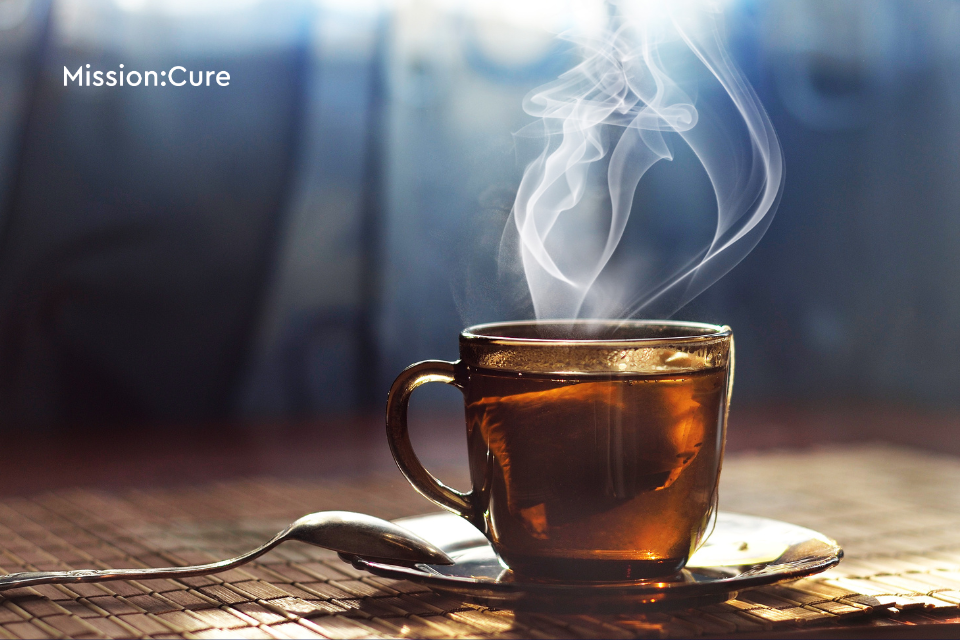
Tea is one of many beverages enjoyed worldwide for its diverse flavors, soothing aroma, and potential health benefits. However, when it comes to pancreatitis, the relationship between tea consumption and the condition is not entirely clear. In this blog post, we will explore the research conducted on this topic, highlighting the benefits and risks.
What to Consider: Caffeine and Pancreatitis
While our understanding of tea’s impact on pancreatitis is limited, we know that the caffeine in tea may be a potential trigger for those with pancreatitis or those who are at risk of developing it. Caffeine acts as a diuretic, meaning that it promotes fluid loss through urine and stimulates the pancreas. While moderate caffeine intake is usually well-tolerated, too much of it can worsen pancreatitis symptoms in some people.
Learn more about the relationship between caffeine, coffee, and pancreatitis.
Both the National Pancreas Foundation and the National Institute of Diabetes and Digestive and Kidney Diseases (NIDDK) list caffeine as a restricted substance. On the other hand, the Nutritional Guidelines for Chronic Pancreatitis by Stanford Medicine recommend tea for pancreatitis patients, likely due to its antioxidant and anti-inflammatory properties. Ultimately, whether tea is suitable for people with pancreatitis depends on the caffeine content and personal tolerance, and should be discussed with a healthcare professional to balance the potential benefits and risks.
Caffeine Content in Teas
The caffeine content in tea varies depending on type and preparation method. For example, brewed black tea contains 47 mg of caffeine per cup, while a cup of green tea has about 28 mg. Each person may respond to tea differently based on their unique health status, tolerance, and sensitivities. For some people, even small amounts of caffeine can cause unwanted effects like restlessness and trouble sleeping. Too much caffeine can make these effects worse and lead to headaches, nervousness, irritability, fast heartbeat, and muscle tremors.
As mentioned earlier, there is ongoing debate among experts regarding the impact of caffeine on pancreatitis. Some experts recommend limiting caffeine intake due concerns about its dehydrating effects and stimulation of the pancreas, while others point out that moderate consumption might have protective benefits. Given this, it is important to pay attention to how your body reacts to tea and to adjust accordingly. If you experience any negative reactions or worsening symptoms, it may be best to limit or avoid tea consumption.
Herbal teas might be a gentler option for those who are sensitive to caffeine. These teas are typically caffeine-free and can offer various health benefits. However, it is important to read ingredient labels and consult with a healthcare professional for personalized advice tailored to your specific condition and symptoms.
Potential Medicinal Benefits of Tea for Pancreatitis
Though there is limited research specifically addressing the effects of tea on pancreatitis, recent research suggests that tea may offer therapeutic properties in managing pancreatitis symptoms.
Tea is rich in polyphenols, including catechins and flavonoids, which are plant-based compounds known for their antioxidant properties. These compounds play an important role in the body by potentially protecting against certain cancers, cardiovascular diseases, and neurodegenerative diseases. Moreover, polyphenols have shown promise in lowering the production of proinflammatory molecules, promoting a more balanced immune response. Although further research is needed to apply these findings to pancreatitis, including tea in a balanced diet may contribute positively to overall health and symptom management.
Digging Deeper
If you are considering including tea in your diet, we recommend researching the kind of tea you’re considering to see about caffeine content and triggering ingredients. We’ve listed popular tea choices below.
Green Tea
Green tea, rich in antioxidants and moderate in caffeine, is known to offer many health benefits. It may improve mental alertness, relieve digestive symptoms, and alleviate headaches. Green tea also contains catechins, a type of polyphenol known for its anti-inflammatory and cardiovascular benefits. Studies have shown that catechins can help lower blood pressure, triglycerides, and total cholesterol–all risk factors for pancreatitis.
One study conducted in urban Shanghai found that women who regularly drank green tea had a 32% reduced risk of pancreatic cancer compared to those who did not drink it regularly. While this study focuses on pancreatic cancer, it highlights the potential protective effects of green tea on pancreatic health, which may extend to conditions like pancreatitis.
Black Tea
Black tea contains the highest amount of caffeine, so it should be taken in moderation. When you pour yourself a cup of black tea, you benefit from antioxidants that combat inflammation and support a healthy immune system. This is due to powerful groups of polyphenols and catechins, which offer protection against the onset of several chronic disorders.
Herbal Tea
Proper hydration is important for overall health and plays an important role in supporting digestive function, which includes pancreatic health. Opting for non-caffeinated or low-caffeine teas, such as herbal or decaffeinated varieties, will help you stay hydrated.
Herbal teas are made of tisanes, which are blends or infusions of dried fruits, flowers, spices, or herbs. Unlike caffeinated teas, herbal teas offer medicinal benefits without the stimulating effects of caffeine. For example, ginger tea is recognized for its anti-inflammatory properties and its ability to boost the immune system. Chamomile tea and hibiscus tea are also noted for their antioxidant properties. Be sure to read the ingredients on the package before trying out a new herbal tea, as they contain many different types of fruits, herbs, spices, and flowers and can trigger allergies.
Our Advice
When incorporating tea into your diet, it’s important to experiment and make decisions based on your personal reactions. Start with teas that have lower caffeine content and observe how your body responds. Avoid adding high-fat milks to your tea, as these can worsen pancreatitis symptoms. Make sure to stay hydrated and consume tea in moderation to avoid potential negative effects.
Key Takeaways
- Tea contains caffeine, which can be a potential trigger for pancreatitis. Recommendations on caffeine intake vary, with some experts advising caution and others noting potential benefits
- Responses to tea vary based on personal health status, tolerance, and sensitivities. Monitor your body’s reactions and consult with a healthcare professional for personalized advice.
- Proper hydration is crucial for overall health and can support digestive function. Opt for non-caffeinated or low-caffeine teas to stay hydrated without overstimulating the pancreas.
- By paying close attention to your body’s reactions and consulting healthcare professionals, you can make informed decisions about including tea in your diet while managing pancreatitis
About Mission: Cure
At Mission: Cure, we are dedicated to finding effective treatments and, ultimately, a cure for pancreatitis. Through patient education, research, and advocacy, we strive to improve the lives of those affected by this condition.
Get Updates in Your Inbox
Stay up-to-date on the latest Mission: Cure news and developments in pancreatitis care by signing up for our newsletter.