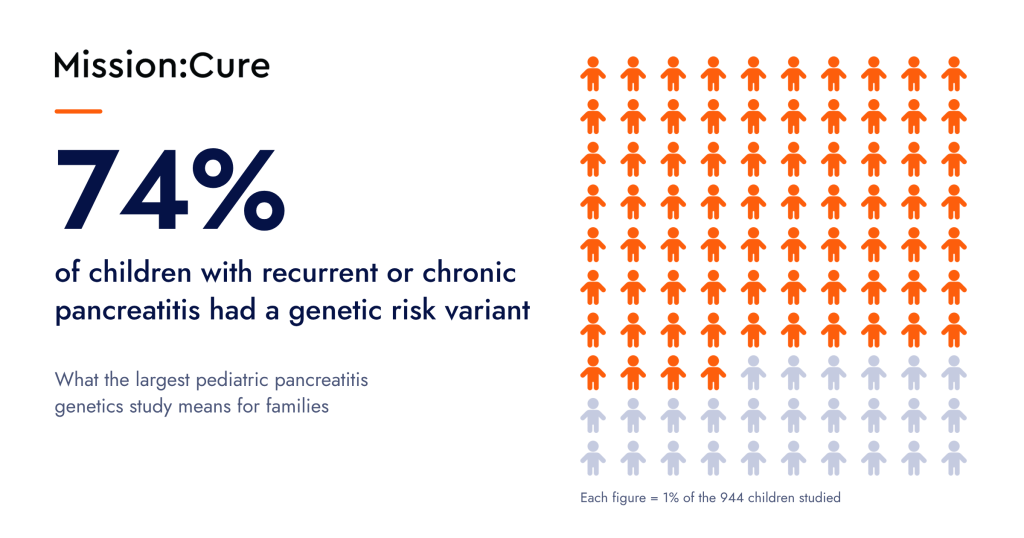
The largest pediatric pancreatitis genetics study found that 74% of children with recurrent or chronic pancreatitis carry a genetic risk variant. We asked co-first author Dr. Maisam Abu-El-Haija what that means for testing and care.
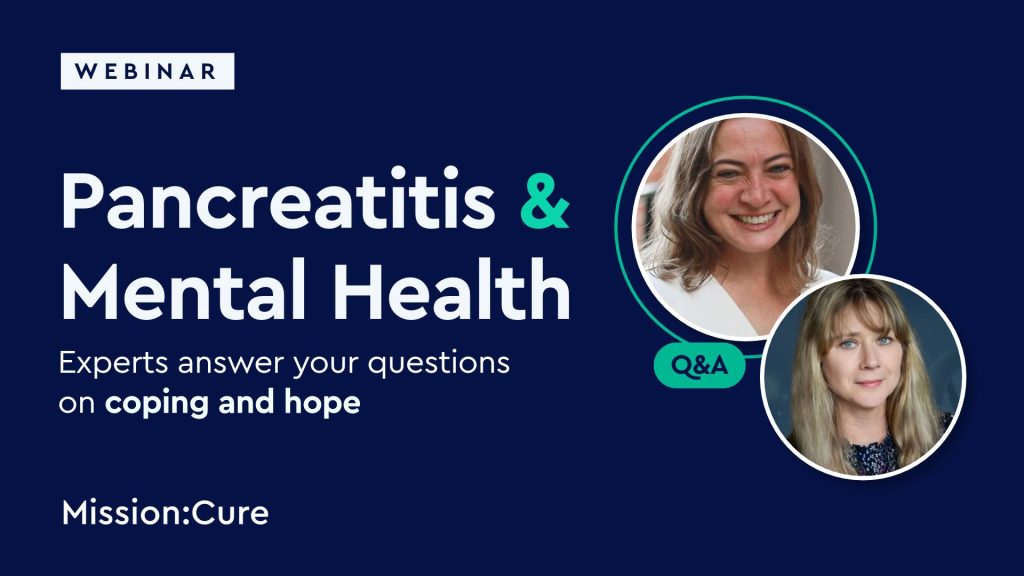
Watch a free Q&A on pancreatitis and mental health with therapist Lara Govendo and Julie Wells of Give an Hour, plus support resources for patients and caregivers.
Mission: Cure has been accepted into the FDA’s Rare Disease Endpoint Advancement Pilot Program, which selects no more than three proposals a year. We will work with FDA experts to develop a patient-reported way to measure pancreatitis flares in clinical trials.
After months of misdiagnosis, a young woman in the Philippines shares life with chronic pancreatitis, invisible pain, and the fight for access to care.
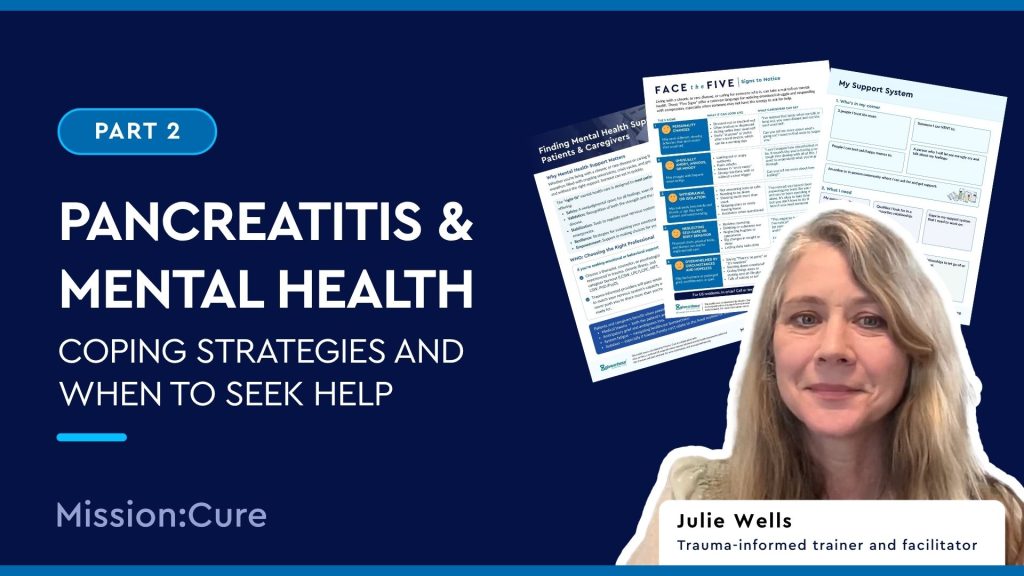
Living with pancreatitis affects your mental health in ways that don’t always get talked about. In our new video with Give an Hour, trauma-informed facilitator Julie Wells walks through coping strategies and when you should seek help.
Chronic pancreatitis rarely looks the same in two people, which is part of why it has been so hard to treat. A new Salk Institute study used pancreas organoids grown from patients’ own cells to uncover CFTR dysfunction and distinct biological subtypes. Here is what that research means and why it matters for the future of personalized care.
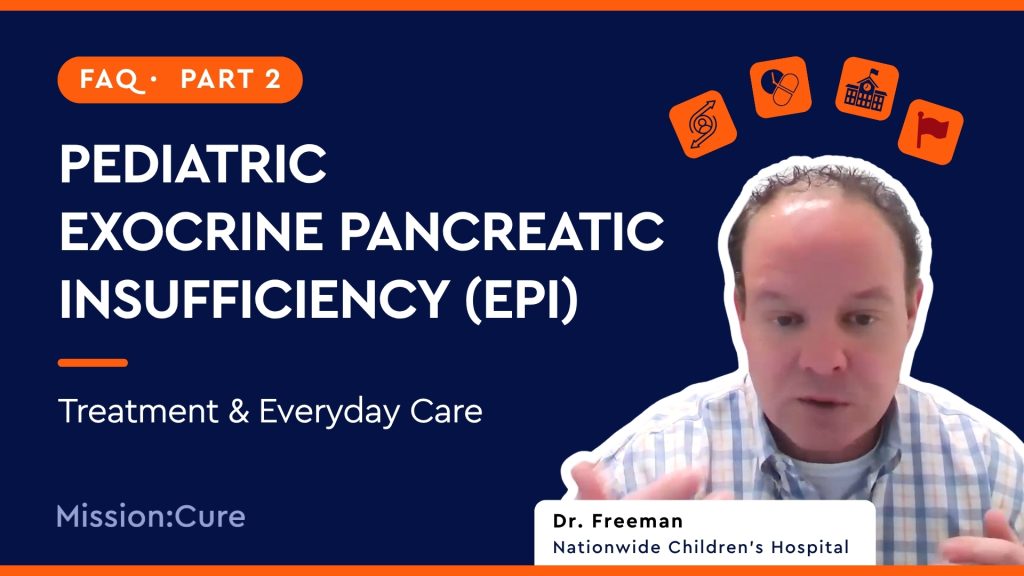
Learn about the the day-to-day of managing pediatric EPI, including PERT dosing, enzymes at school and mealtimes, nutrition monitoring, common mistakes, and preparing teens to transition to adult care.
In this webinar, Joshua Henderson, Mission: Cure’s Chief Cure Strategy Officer, breaks down the current landscape of pancreatitis research and treatment development, including how many potential treatments Mission: Cure is tracking in its drug development pipeline. He also explores the vital role patients and caregivers play in helping move research forward.
On June 24, 2026, Ionis Pharmaceuticals announced that the U.S. Food and Drug Administration approved TRYNGOLZA (Olezarsen) to lower triglycerides and reduce the risk of acute pancreatitis in adults with severe hypertriglyceridemia.
Theresa shares her 5-year journey with Type 1 Autoimmune Pancreatitis (IgG4-related disease), from a near misdiagnosis of cancer to now, a newly FDA-approved treatment for IgG4RD. Hear her story.